
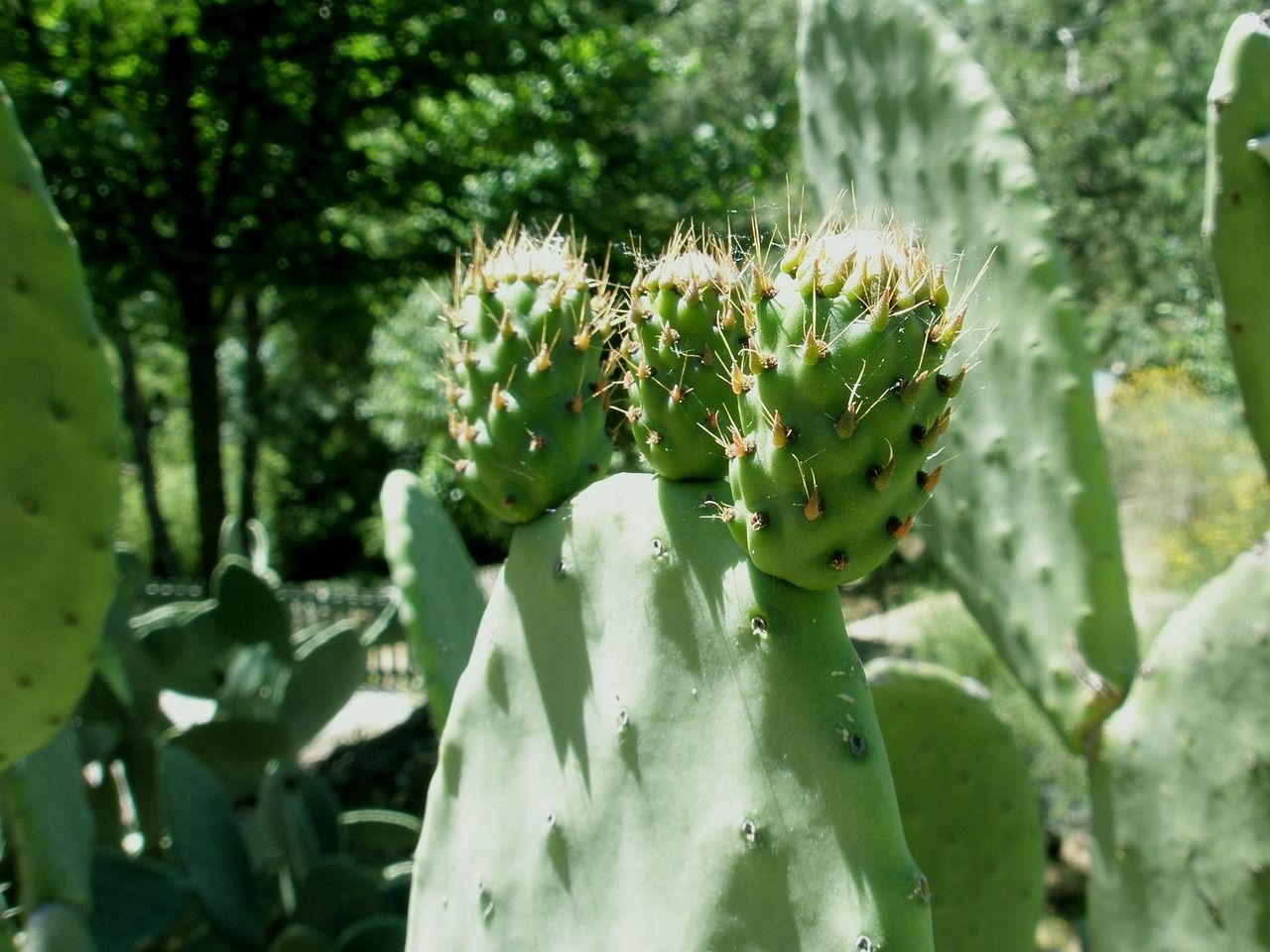
What Is Chumba Cacti Spain?
If you’ve traveled through southern Spain or explored the Mediterranean coastline, you’ve probably noticed large, paddle-shaped cactus plants covering hillsides, roadsides, and abandoned fields. These striking plants are commonly referred to as Chumba Cacti Spain, a name many locals and travelers use when talking about the prickly pear cactus that has become deeply rooted in the Spanish landscape.
Although the cactus did not originally evolve in Europe, it has adapted exceptionally well to Spain’s warm climate. Today, it is one of the country’s most recognizable drought-tolerant plants. From the rugged countryside of Andalusia to coastal villages overlooking the Mediterranean Sea, Chumba Cacti Spain has become an unmistakable part of the scenery.
Known scientifically as Opuntia ficus-indica, the plant is also called the prickly pear cactus, chumbera, nopal cactus, or simply Opuntia. It produces sweet edible fruits often known as prickly pears or “tunas,” while its thick green pads have been used for centuries in food, traditional remedies, and agriculture.
In recent years, interest in Chumba Cacti Spain has grown beyond tourism. Gardeners appreciate its resilience, chefs value its unique fruit, conservationists study its ecological impact, and homeowners admire its ornamental appeal. Understanding where it grows, how to identify it, and how it fits into Spain’s natural environment provides a deeper appreciation for this fascinating cactus.
How Chumba Cacti Arrived in Spain
The story of Chumba Cacti Spain begins thousands of miles away in the Americas. Native to Mexico and parts of Central America, the prickly pear cactus was cultivated long before European explorers reached the New World.
Following the voyages of Christopher Columbus in the late 15th century, Spanish explorers introduced numerous American plants back to Europe. Among them was the hardy Opuntia cactus. Its remarkable ability to survive dry climates quickly attracted attention.
Spain’s Mediterranean environment proved almost ideal for the cactus. Warm summers, mild winters, rocky soils, and limited rainfall allowed it to spread naturally across many regions. Farmers soon realized the plant offered several practical benefits:
- Edible fruit rich in vitamins and antioxidants
- Livestock feed during dry seasons
- Natural living fences around farms
- Protection against soil erosion
- Decorative landscaping for rural properties
Over several centuries, Chumba Cacti Spain transformed from an introduced species into a familiar element of the countryside. Today, many visitors mistakenly assume it is native because it appears so naturally integrated into the landscape.
Identifying Chumba Cacti in Spain
Correct identification is important because several cactus species grow in Mediterranean regions. Fortunately, Chumba Cacti Spain has distinctive characteristics that make it relatively easy to recognize.
Paddle-Shaped Pads
The most recognizable feature is its flattened green segments, commonly called pads or cladodes. These thick pads store water, enabling the cactus to survive long periods without rainfall.
Healthy pads are usually:
- Bright to dark green
- Oval or elongated
- Thick and fleshy
- Connected in branching formations
The paddles often resemble oversized green leaves, although they are actually modified stems.
Sharp Spines and Tiny Glochids
Most plants have long, visible spines along with much smaller hair-like glochids.
The glochids deserve particular attention because they detach easily and can become embedded in the skin, causing irritation. Even nearly spineless varieties may still contain microscopic glochids.
Anyone harvesting fruit should wear protective gloves.
Bright Flowers
During late spring and early summer, Chumba Cacti Spain produces attractive flowers.
Depending on the variety, blossoms may appear in:
- Yellow
- Orange
- Red
- Soft pink
These flowers attract bees and other pollinating insects, contributing to local biodiversity.
Colorful Fruits
After flowering, the cactus develops oval fruits covered with tiny spines.
As they ripen, the fruits may become:
- Orange
- Deep red
- Purple
- Yellow
- Greenish-yellow
Inside, the fruit contains sweet flesh filled with small edible seeds. The flavor is often described as a combination of watermelon, pear, and kiwi with subtle berry notes.
Where Chumba Cacti Grow Across Spain
One reason Chumba Cacti Spain has become so widespread is its incredible adaptability. Although it prefers warm Mediterranean environments, it now grows across many parts of the country.
Andalusia
Andalusia is perhaps the most famous region for wild prickly pear cactus.
Travelers frequently encounter dense cactus colonies around:
- Málaga
- Granada
- Almería
- Cádiz
- Córdoba
- Seville
The rocky hillsides and sun-drenched countryside create perfect growing conditions.
Many rural roads are lined with mature cactus hedges that have existed for generations.
Murcia
Murcia experiences hot summers and relatively low rainfall, making it another excellent habitat.
The cactus often grows:
- Along roadsides
- Near abandoned farmland
- On dry hills
- Around traditional homes
Many local residents continue harvesting prickly pear fruits each summer.
Valencia
The Valencian Community also supports healthy populations of Chumba Cacti Spain, especially in coastal and inland dry areas.
Here the cactus frequently appears beside olive groves, citrus orchards, and traditional stone terraces.
Balearic Islands
Mallorca, Ibiza, and Menorca feature numerous prickly pear cactus plants growing naturally among rocky coastal cliffs and countryside landscapes.
The contrast between turquoise waters and vibrant green cactus paddles creates some of Spain’s most photographed Mediterranean scenery.
Canary Islands
Although geographically separate from mainland Spain, the Canary Islands possess an ideal subtropical climate.
Here, Opuntia species flourish across volcanic landscapes where few other large plants can tolerate the harsh conditions.
Why Chumba Cacti Thrive in the Spanish Climate
Spain offers nearly perfect conditions for Chumba Cacti Spain because the cactus evolved to survive environments where water is scarce.
Several natural adaptations explain its remarkable success.
Exceptional Drought Resistance
Unlike many plants, prickly pear cactus stores significant amounts of water inside its thick pads.
This allows it to survive weeks or even months without rainfall.
Efficient Water Conservation
Instead of broad leaves that lose moisture quickly, the cactus uses modified stems for photosynthesis.
This dramatically reduces evaporation while allowing continued growth during dry weather.
Adaptation to Poor Soils
Many plants require nutrient-rich soil to flourish.
In contrast, Chumba Cacti Spain often grows successfully in:
- Rocky slopes
- Sandy coastal areas
- Limestone hills
- Gravelly terrain
- Abandoned agricultural land
Its roots efficiently capture available moisture even in poor soils.
Tolerance of Heat
Summer temperatures in southern Spain frequently exceed 35°C (95°F).
Rather than suffering under intense sunlight, the cactus continues growing, making it one of the most heat-tolerant plants found throughout the Mediterranean region.
This resilience explains why Chumba Cacti Spain has become such a familiar sight across dry landscapes where many other species struggle to survive.
Ecological Importance of Chumba Cacti Spain
Beyond its distinctive appearance, Chumba Cacti Spain plays an important role in many Mediterranean ecosystems. While it is an introduced species rather than a native Spanish plant, it has become part of the landscape in numerous regions. Its impact can be both beneficial and challenging, depending on how and where it grows.
A Refuge for Wildlife
Dense patches of prickly pear cactus provide shelter for birds, insects, reptiles, and small mammals. The thick pads and sharp spines create natural protection from predators, making the plants valuable nesting and hiding sites.
During the flowering season, bees and other pollinators are attracted to the bright blossoms, while the ripe fruits become an important food source for birds and wildlife.
Protecting the Soil
One of the greatest environmental benefits of Chumba Cacti Spain is its ability to reduce soil erosion.
Its extensive root system helps stabilize loose soil on:
- Rocky hillsides
- Coastal slopes
- Dry farmland
- Mountain terraces
In areas prone to heavy rain after long dry periods, these roots help prevent valuable topsoil from being washed away.
Water-Efficient Landscaping
As Spain experiences longer droughts and warmer summers, many gardeners are choosing drought-resistant plants. Chumbera cactus requires very little irrigation once established, making it an excellent option for sustainable landscaping.
Its low water requirements support efforts to conserve water while maintaining attractive gardens throughout the Mediterranean climate.
Managing Its Spread
Although the cactus offers many advantages, it can spread aggressively in some areas if left unmanaged. Seeds dispersed by birds and fallen pads that take root may allow new colonies to form quickly.
For this reason, land managers monitor certain natural areas where large populations of Chumba Cacti Spain could compete with native vegetation. Responsible cultivation and regular maintenance help balance its benefits with ecological protection.
Traditional and Modern Uses of Chumba Cacti Spain
The popularity of Chumba Cacti Spain extends far beyond its decorative appearance. For centuries, people have found practical uses for nearly every part of the plant.
Edible Fruits
The best-known product is the prickly pear fruit, locally called higo chumbo or simply tuna in many Spanish-speaking regions.
When fully ripe, the fruit offers:
- A naturally sweet flavor
- High vitamin C content
- Dietary fiber
- Potassium
- Magnesium
- Antioxidants
Because of its refreshing taste, the fruit is commonly enjoyed fresh during late summer.
Jams and Preserves
The colorful fruit is also transformed into delicious homemade products, including:
- Fruit jams
- Jelly
- Syrups
- Marmalade
- Dessert toppings
Its naturally vibrant color makes it popular for artisanal food products sold in local Spanish markets.
Juices and Beverages
Many people blend prickly pear fruit into refreshing drinks.
Popular preparations include:
- Fresh juice
- Smoothies
- Fruit cocktails
- Lemonades
- Frozen desserts
The fruit’s mild sweetness pairs well with citrus flavors, making it ideal for summer beverages.
Edible Cactus Pads
Young cactus pads, often known as nopales, are widely consumed in Mexico and have gradually gained popularity among health-conscious cooks in Europe.
After removing the spines, the pads can be:
- Grilled
- Boiled
- Stir-fried
- Added to salads
- Included in soups
They provide fiber, vitamins, minerals, and relatively few calories.
Livestock Feed
During prolonged droughts, farmers have traditionally relied on Chumba Cacti Spain as emergency livestock feed.
After carefully removing the spines, the moisture-rich pads can help sustain cattle, sheep, and goats when grass becomes scarce.
This practice remains valuable in some dry agricultural regions.
Natural Property Boundaries
Long before modern fencing became common, rural landowners planted dense rows of cactus around their fields.
These living fences offered several advantages:
- Strong natural barriers
- Minimal maintenance
- Excellent drought resistance
- Long lifespan
- Wildlife habitat
Even today, many centuries-old cactus hedges remain standing across southern Spain.
Traditional Remedies
Throughout history, different parts of the prickly pear cactus have been used in traditional herbal practices.
Some people have applied cactus gel to soothe minor skin irritation or consumed the fruit as part of a nutritious diet. While scientific research continues to investigate these traditional uses, the cactus should not replace professional medical advice or prescribed treatments.
Nutritional Value of Prickly Pear Fruit
One reason Chumba Cacti Spain continues to attract attention is the impressive nutritional profile of its fruit.
A typical serving provides:
- Vitamin C for immune support
- Dietary fiber for digestive health
- Calcium for bones
- Magnesium for muscle function
- Potassium for heart health
- Natural antioxidants that help protect cells
The fruit also contains betalains, colorful plant compounds responsible for its deep red and purple varieties. These antioxidants are being studied for their potential role in supporting overall health.
Because the fruit is naturally hydrating and relatively low in calories, it is increasingly included in balanced diets focused on whole foods.
Chumba Cacti Spain in Gardens and Landscaping
Many homeowners choose Chumba Cacti Spain because it combines beauty with practicality.
Unlike water-hungry ornamental plants, prickly pear cactus remains attractive throughout the year with minimal maintenance.
Popular Landscaping Uses
Garden designers often incorporate the cactus into:
- Mediterranean gardens
- Rock gardens
- Xeriscaping projects
- Coastal landscapes
- Modern minimalist designs
Its sculptural shape provides visual interest even when the plant is not flowering.
Companion Plants
Prickly pear cactus pairs beautifully with other drought-tolerant species such as:
- Lavender
- Rosemary
- Agave
- Aloe
- Thyme
- Santolina
Together, these plants create colorful, low-maintenance gardens that reflect Spain’s Mediterranean character.
How to Grow Chumba Cacti in Spain
Growing Chumba Cacti Spain is relatively straightforward, making it suitable for beginners as well as experienced gardeners.
Choose a Sunny Location
Prickly pear cactus thrives in full sunlight.
Select a location that receives at least six to eight hours of direct sunlight each day for healthy growth and flowering.
Use Well-Drained Soil
Drainage is far more important than soil fertility.
Ideal soil types include:
- Sandy soil
- Rocky soil
- Gravelly soil
- Well-draining cactus mix
Avoid heavy clay soils that retain excess moisture, as this may cause root rot.
Water Sparingly
One of the most common mistakes is overwatering.
After the plant becomes established:
- Water deeply but infrequently.
- Allow the soil to dry completely before watering again.
- Reduce watering significantly during winter.
Excess moisture is more harmful than occasional drought.
Propagation from Pads
Most gardeners propagate Chumba Cacti Spain using healthy pads.
The process is simple:
- Cut a mature pad.
- Allow the cut surface to dry for several days.
- Plant the pad upright in dry soil.
- Wait for roots to develop before regular watering.
This method has a high success rate and produces vigorous new plants.
Fertilizing
The cactus generally requires very little fertilizer.
If desired, apply a balanced cactus fertilizer once during spring to encourage flowering and fruit production.
Too much fertilizer can result in excessive pad growth with fewer flowers.
Common Challenges and Pests
Although Chumba Cacti Spain is known for its toughness, it is not completely free from problems. Regular observation and simple maintenance can keep plants healthy for many years.
Cochineal Insects
One of the most common pests affecting prickly pear cactus is the cochineal insect. These tiny insects appear as white, cotton-like patches on the pads and feed on plant sap.
Signs of infestation include:
- White fuzzy clusters
- Weak or yellowing pads
- Reduced growth
- Premature pad drop
Small infestations can often be removed with a strong spray of water or by pruning affected sections. Larger outbreaks may require appropriate horticultural treatments.
Root Rot
Root rot is usually caused by excessive watering or poorly drained soil rather than disease alone.
Symptoms include:
- Soft, mushy pads
- Dark discoloration
- Unpleasant odor
- Collapsing stems
Preventing root rot is simple: plant the cactus in well-drained soil and avoid watering when the soil is already moist.
Frost Damage
While Chumba Cacti Spain tolerates mild winters, prolonged freezing temperatures can damage the pads.
If frost is expected:
- Protect young plants with frost cloth.
- Grow container plants in sheltered areas.
- Avoid watering immediately before freezing weather.
Established plants generally recover from light frost, but severe cold can permanently damage exposed pads.
Harvesting Prickly Pear Fruit Safely
Harvesting the fruit is rewarding, but it requires care because the tiny glochids are easily transferred to the skin.
Follow these safety tips:
- Wear thick gardening gloves.
- Use long-handled tongs to pick the fruit.
- Twist the fruit gently until it separates from the pad.
- Remove the glochids before handling or eating.
- Wash the fruit thoroughly before peeling.
The fruits usually ripen from late summer into early autumn, depending on the region and seasonal weather.
Safety Tips When Handling Chumba Cacti
Whether growing or exploring Chumba Cacti Spain, it is important to handle the plant carefully.
Keep these precautions in mind:
- Never touch the pads with bare hands.
- Wear long sleeves when pruning.
- Keep children and pets away from heavily spined plants.
- Dispose of cut pads responsibly to prevent unwanted spread.
- Use clean, sharp pruning tools to reduce the risk of plant disease.
Taking these simple precautions makes working with the cactus much safer and more enjoyable.
Why Chumba Cacti Spain Continues to Fascinate Visitors
Part of the appeal of Chumba Cacti Spain lies in the way it blends natural beauty with practical value. Visitors often associate the cactus with sunny coastal roads, whitewashed villages, and dramatic mountain landscapes, where its bold green pads stand out against dry hillsides.
For gardeners, it represents one of the easiest drought-tolerant plants to cultivate. For food lovers, its colorful fruit offers a unique seasonal treat. Farmers continue to appreciate its resilience during dry periods, while photographers are drawn to its striking form against Spain’s Mediterranean scenery.
Its history also reflects centuries of cultural exchange. Introduced from the Americas, the prickly pear cactus has become woven into Spain’s agricultural traditions and rural identity. Today, it remains both a useful crop and an iconic feature of the landscape.
Whether encountered growing wild, cultivated in a garden, or harvested for its fruit, Chumba Cacti Spain is a plant that captures the attention of anyone interested in nature, history, or sustainable gardening.
Conclusion
Chumba Cacti Spain is much more than a distinctive cactus found along roadsides and rocky hills. It is a resilient plant with a remarkable history, practical uses, and lasting importance in Spain’s Mediterranean environment.
From its introduction centuries ago to its widespread presence across Andalusia, Murcia, Valencia, the Balearic Islands, and the Canary Islands, this adaptable species has become part of the country’s natural and cultural landscape. Its edible fruits, drought tolerance, ornamental value, and role in sustainable gardening continue to make it relevant today.
Whether you are hoping to identify a prickly pear cactus during your travels, grow one at home, or learn about its traditional uses, understanding Chumba Cacti Spain offers a deeper appreciation of one of Spain’s most recognizable plants. With proper care and responsible management, it can remain a valuable resource and a beautiful feature of Mediterranean landscapes for generations to come.
FAQs
1. Is Chumba Cacti Spain native to Spain?
No. The prickly pear cactus originated in Mexico and Central America. It was introduced to Spain several centuries ago and has since become naturalized in many Mediterranean regions.
2. Can you eat the fruit of Chumba Cacti Spain?
Yes. The ripe prickly pear fruit is edible and is commonly eaten fresh or used in juices, jams, desserts, and preserves. The tiny spines should be removed before handling or eating.
3. Where does Chumba Cacti Spain grow best?
It grows best in warm, sunny areas with well-drained soil. Andalusia, Murcia, Valencia, the Balearic Islands, and the Canary Islands provide ideal growing conditions.
4. Is prickly pear cactus easy to grow?
Yes. It is one of the easiest drought-tolerant plants to grow. With plenty of sunlight, minimal watering, and good drainage, it requires very little maintenance.
5. What are the main uses of Chumba Cacti Spain?
The cactus is valued for its edible fruits, young pads used as food, ornamental landscaping, erosion control, natural fencing, and emergency livestock feed in dry regions.
